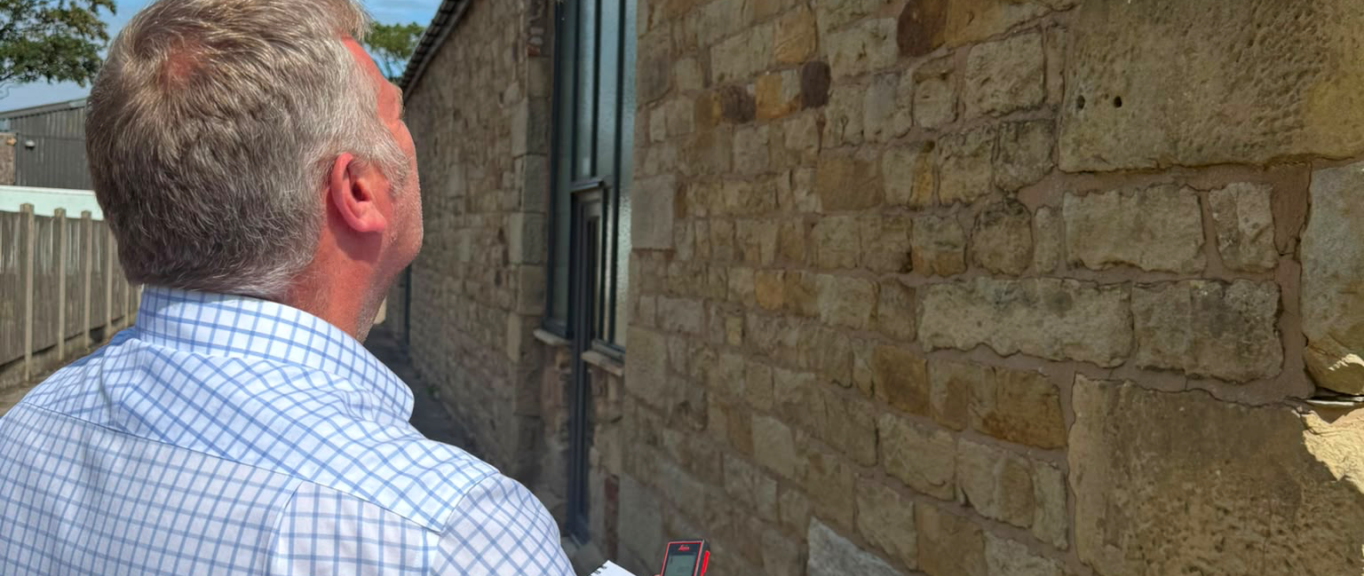
What Happens During an RICS Valuation for Secured Lending Purposes?
If you are buying, selling or re-mortgaging a property, more than likely the bank or building society will require an RICS valuation, often referred to as a Red Book Valuation. This is nothing to worry about or anything clandestine, Red Book Valuation refers to the rules and requirements set down by the RICS to ensure all valuers work and report values in the same way.
Borrowers are often unsure what to expect, but the process is usually straightforward and takes between 40 minutes to a few hours depending on what is being valued.
During the inspection, one of our RICS-qualified Registered Valuer Chartered Surveyors will carry out a visual inspection of the property to assess its current market value, rental value and insurance reinstatement value. The inspection focuses on the overall condition of the property rather than looking for every possible defect.
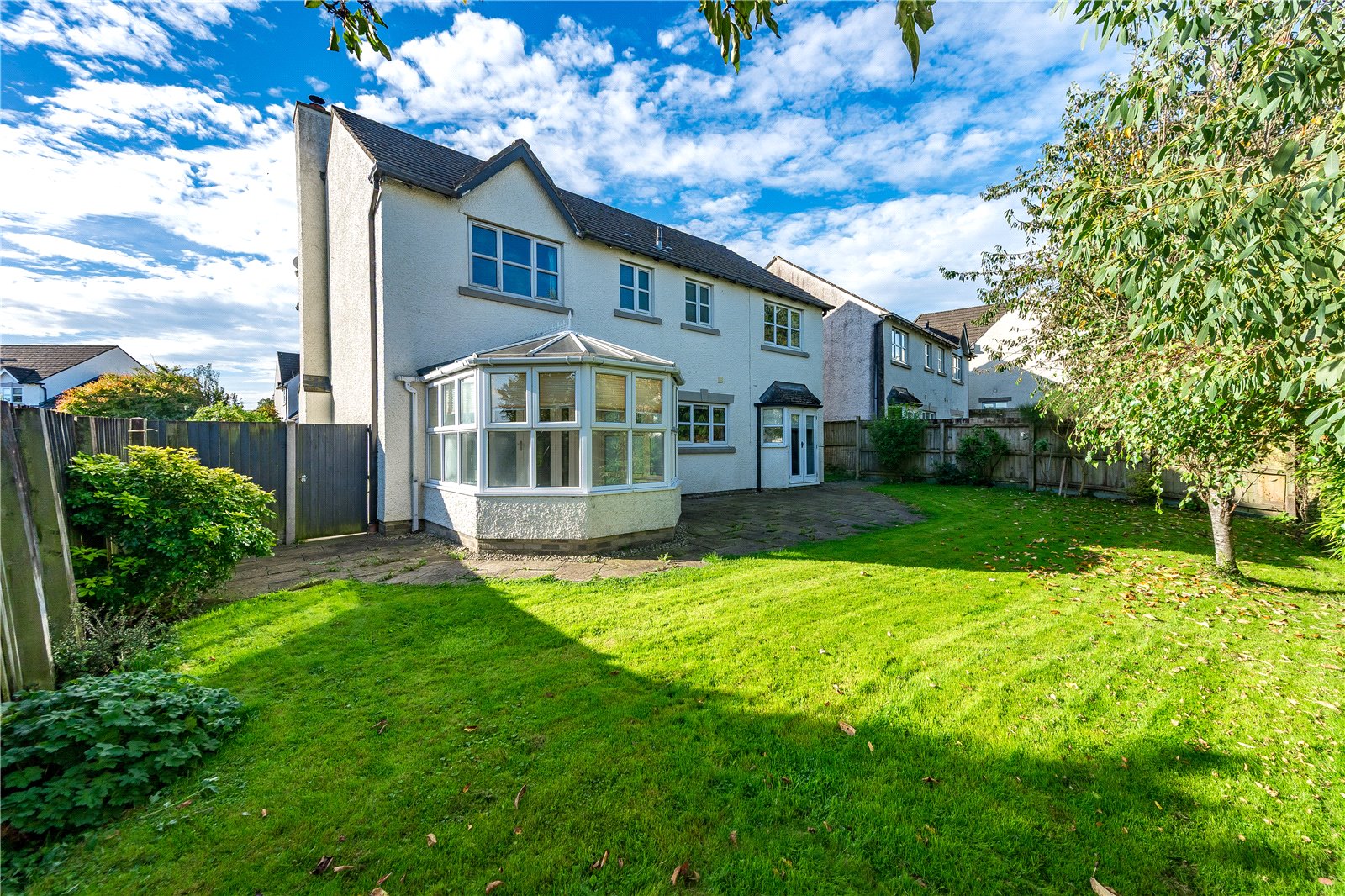
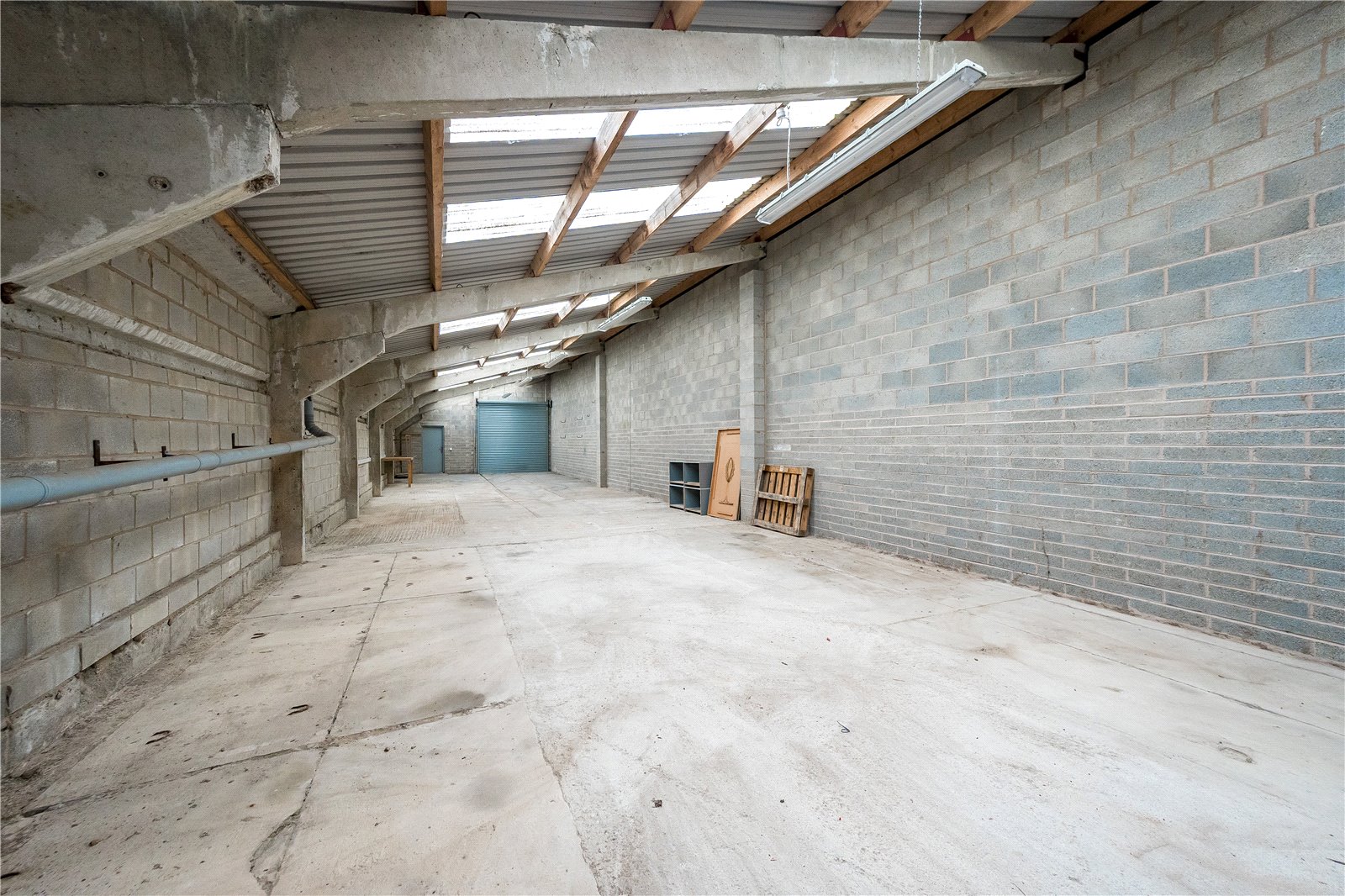
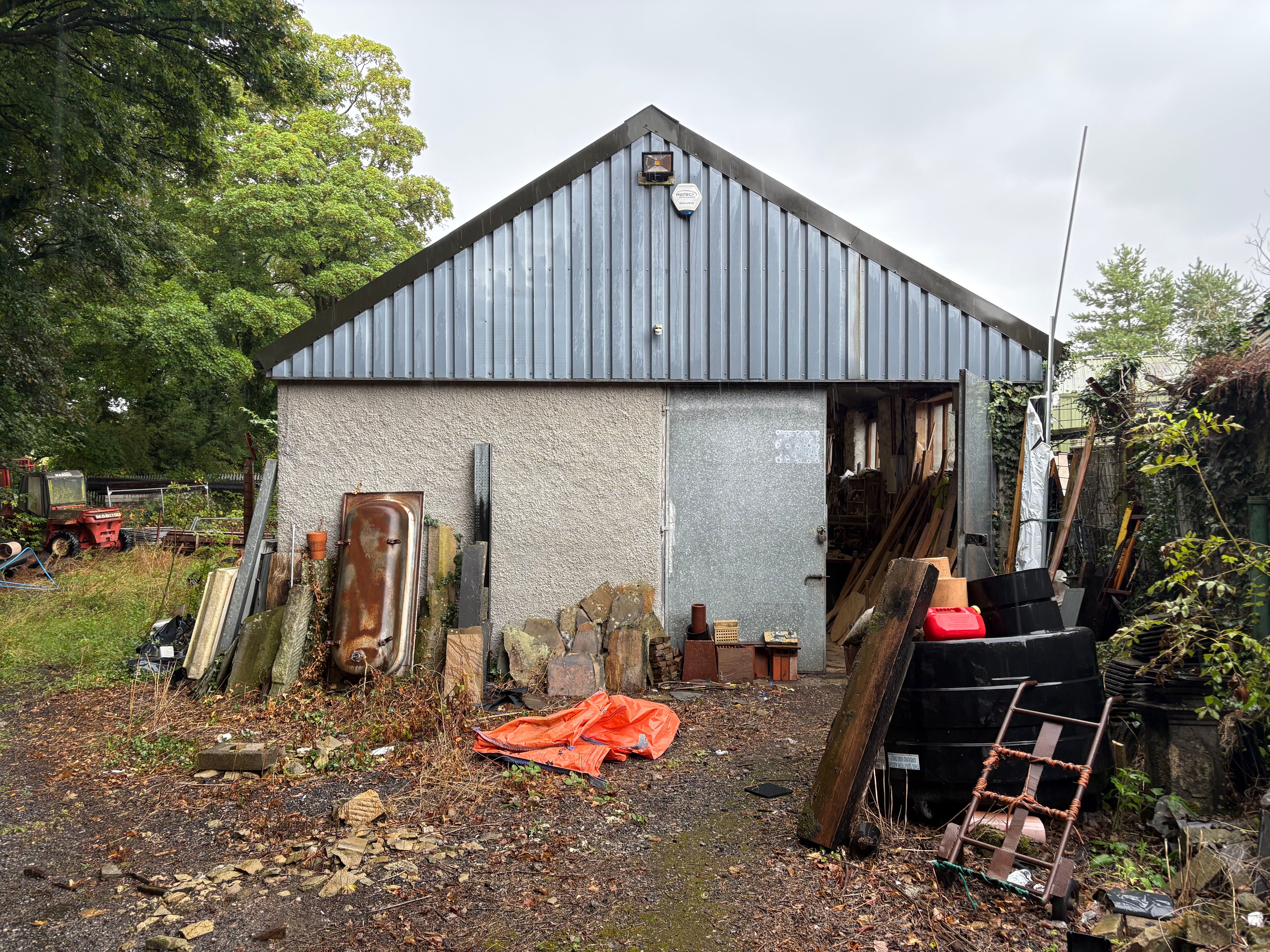
Our surveyors will inspect all accessible areas or rooms as well as the outside of the property. They will look at the size, layout, construction, roof, walls, windows, doors, floors, kitchen, bathrooms and any outdoor spaces such as the gardens, grounds, outbuildings and garages. They will also check for any obvious signs of issues such as damp, structural movement or poor maintenance that could affect the property’s value.
As part of the inspection, the surveyor will always take photographs of the property. These images help support the valuation and provide a record of the property’s condition at the time of the visit. Photographs commonly include the front and rear of the property, main living areas, kitchens, bathrooms, outbuildings, and land / gardens also and any visible defects that may influence the valuation.
Where possible our surveyors will ask a few straightforward questions about the property. For example, what services are available at the property, does anybody have any rights to cross over your property or do you have any rights to cross over another property, whether you have had an extension built, replaced the boiler or electrical system, installed any renewables such as solar panels, bio mass boiler systems or battery storage system, carried out major renovations, or have certificates or guarantees for recent work. These questions simply help the surveyor build an accurate picture of the property and its history.
Once the inspection is complete, the surveyor will assess the value of the property through a variety of methods of valuation, ranging from market approach based on sales which have transacted within the locality, investment approach looking at the rental values and multiplying by an appropriate yields (generally undertaken for commercial property), a residual value based on the end value of a property deducting the return an investor or builder requires for undertaking the project plus the likely build cost plus any contingency (used for development property) along with other methods however these are rarely used and relate to very specific property types such as schools, churches, petrol stations and cinemas.
If the valuation has been arranged by a mortgage lender, the report is for the lender’s benefit. It confirms that the property provides suitable security for the mortgage and is worth the amount being borrowed.
Understanding what happens during an RICS valuation can help you prepare for the inspection and ensures the process runs as smoothly as possible. For any further information regarding all aspects of valuation please feel free to call our office and speak with a member of the team








Thank You
Thank you for contacting us, a member of our team will be with you shortly.