Sustained Demand Supports Agricultural Land Rental Values
The 2026 agricultural land rental market remains relatively tight, with the amount of land available to let continuing to decline. This reflects cautious landlord behaviour and ongoing structural changes within farming businesses.
The market is increasingly shaped by post-Brexit agricultural transition policies, the gradual removal of the Basic Payment Scheme, volatile milk and grain prices, and uncertainty surrounding environmental schemes. Many landlords are favouring shorter or more flexible agreements while assessing future support arrangements and land-use opportunities, including environmental management, biodiversity projects, renewable energy developments, and carbon schemes.
Nevertheless, competition for well-located and well-maintained holdings and land parcels remains strong, particularly where they benefit from modern infrastructure, a reliable water supply, good accessibility, and opportunities for diversification.
Defra data for 2024/25 showed a mixed picture for farm rents across England. Average Agricultural Holdings Act (AHA) tenancy rents fell by 6% to £174/ha, while Farm Business Tenancy (FBT) rents increased by 4% to £230/ha.
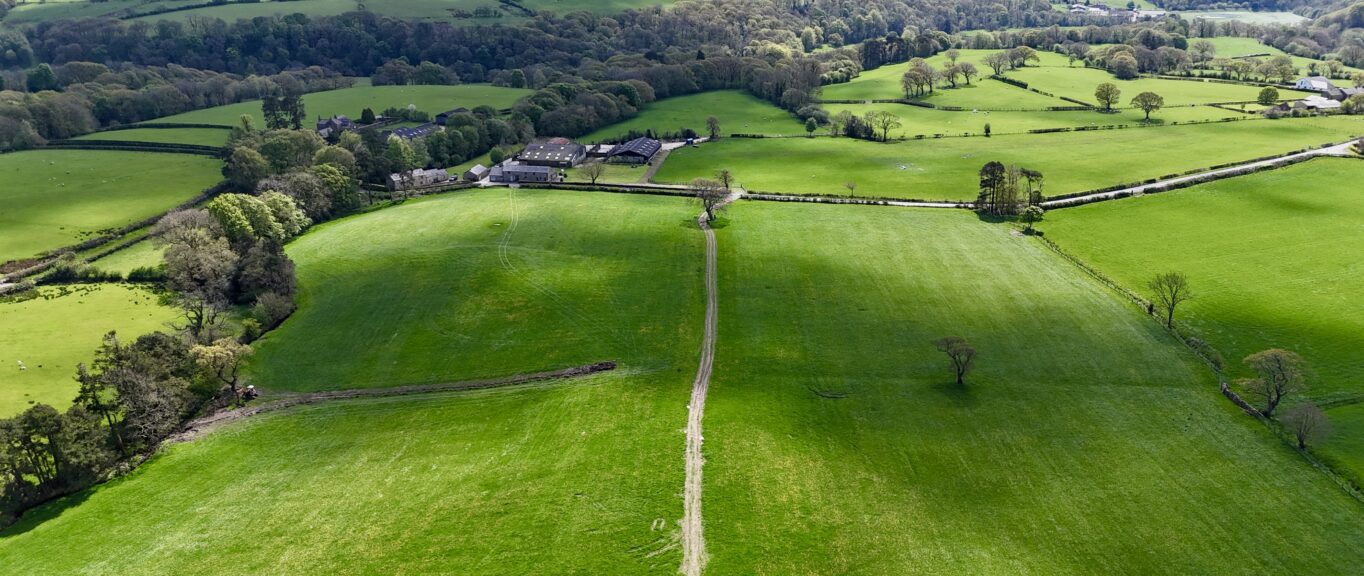
In the North West, however, livestock farming continues to dominate much of the region, particularly in upland and grassland areas. As a result, rental demand remains strongest for good-quality grazing land, dairy units, and mixed farms. Dairy-producing areas in parts of Lancashire continue to achieve some of the highest rental levels in the region, supported by resilient demand from expanding operators seeking greater scale and operational efficiency.
This is evidenced by the tender of two separate blocks of land marketed by Armitstead Barnett in early spring. The first, a 58-acre block of grassland available on a 12-month sheep-only grazing licence, received considerable interest, with offers in the region of £247/ha. The second, a 98-acre block of first-cut silage, attracted several offers, all in excess of £259/ha.
Environmental considerations are also becoming an increasingly significant influence on rental decisions, with upland and marginal land in Cumbria attracting growing interest for environmental stewardship, tree planting, and natural capital projects.
Overall, the 2026 agricultural rental market can be characterised as cautious yet competitive, with strong demand for well-equipped and productive holdings, constrained supply, and an increasing emphasis on flexibility and environmental value within tenancy agreements.
Should you require advice on land rents or agricultural tenancy matters, please contact a member of our Professional team.


Read More Journals









Thank You
Thank you for contacting us, a member of our team will be with you shortly.