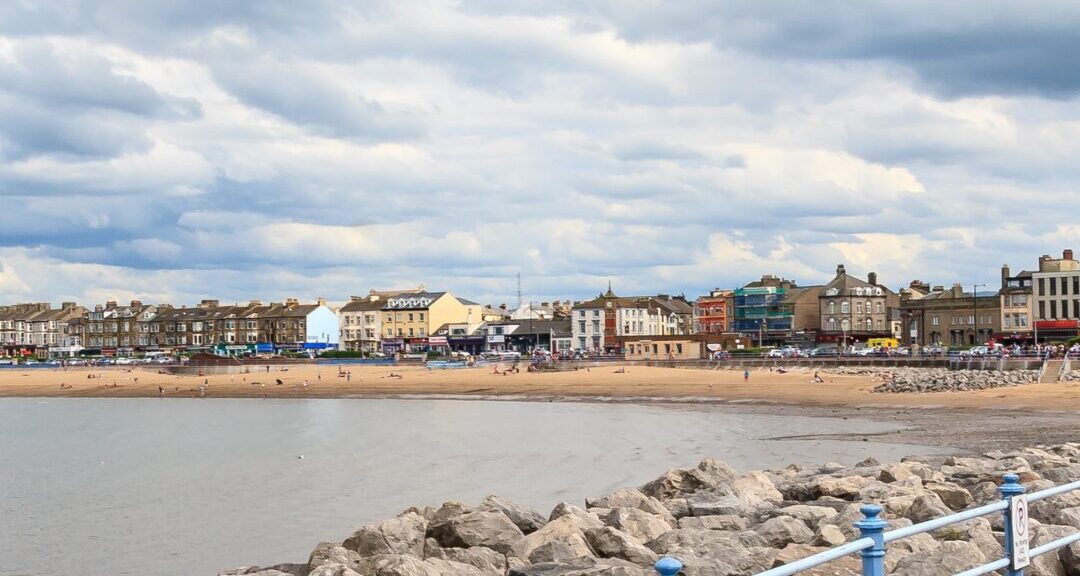
Commercial Property Valuations for Tertiary Retail in Lancashire & Cumbria
Insights from Barrow-in-Furness, Morecambe and Blackpool
A recent instruction across Barrow-in-Furness, Morecambe and Blackpool undertaking RICS valuations of neighbourhood retail properties provided a useful reminder that, while headline retail performance has been challenging for many years, not all parts of the sector behave in the same way.
Away from prime high streets and shopping centres, the market for tertiary retail properties in established residential locations continues to show a degree of resilience that is often overlooked.
The Role of Neighbourhood Retail
Tertiary retail units – typically small parades or standalone “shops with flats” – serve local communities in a way that larger retail formats cannot.
These properties underpin everyday needs. Regardless of wider structural changes in retail, including the growth of e-commerce or evolving consumer habits, there remains consistent demand for:
- Convenience stores
- Hairdressers and barbers
- Takeaways and local services
The fundamental driver here is simple: proximity to residential populations. These are services people rely on regularly, and that dynamic is unlikely to change.
Investor Demand for High-Yielding Assets
Unlike prime retail assets, tertiary shops are not typically targeted by large institutional investors. Instead, they are more commonly acquired by:
- Private investors
- Local landlords
- Pension-backed buyers (including SIPP and SSAS structures)
The appeal is clear:
- Accessible price points
- Relatively high yields compared to other asset classes
- Stable, needs-based occupier demand
Over recent weeks, we have undertaken a number of valuations in connection with acquisitions of similar properties, indicating that transactional activity remains steady despite broader economic uncertainty.
Understanding the Nuances in Value
While the sector shows resilience, it is not without complexity. Valuation of tertiary retail requires careful consideration of several factors:
- Micro-location: Not all neighbourhood parades perform equally – some do struggle.
- Tenant quality and lease terms – tenant covenant strength is usually weak.
- Configuration (particularly the presence and condition of residential accommodation)
- Local supply and demand dynamics
Rental growth and capital appreciation are typically modest, and performance can vary significantly between locations. However, well-positioned assets can provide reliable long-term income streams.
When is a Commercial Property Valuation Required?
We are regularly instructed to provide RICS-compliant valuations of these types of properties for a range of purposes, including:
- SIPP and SSAS pension fund valuations
- Probate and Inheritance Tax valuations
- Pre-purchase advice and acquisitions
- Secured lending
- Transfers
- Expert witness and dispute matters
Given the nuances of tertiary retail, particularly in regional markets such as Lancashire and Cumbria, local knowledge is critical to ensuring accurate and well-supported advice.
Local Insight Matters
Markets such as Barrow-in-Furness, Morecambe and Blackpool each have their own characteristics, influenced by:
- Demographics
- Tourism
- Employment base
- Local retail provision
Understanding how these factors interact at a neighbourhood level is key to forming a robust valuation opinion.
Conclusion
While the broader retail sector continues to evolve, tertiary neighbourhood retail assets remain an important and, in many cases, resilient part of the commercial property landscape.
The “shop with flat” may lack the profile of larger investments, but for many investors it continues to represent a practical and income-producing asset class, particularly when acquired and managed with a clear understanding of local market dynamics.
Need advice on a commercial property valuation?
If you require a commercial property valuation in Lancashire or Cumbria, whether for pension fund purposes, acquisition, secured lending or other matters, we would be pleased to discuss your requirements.









Thank You
Thank you for contacting us, a member of our team will be with you shortly.