
The Potential Impact of Net Zero to some Lancashire Farms
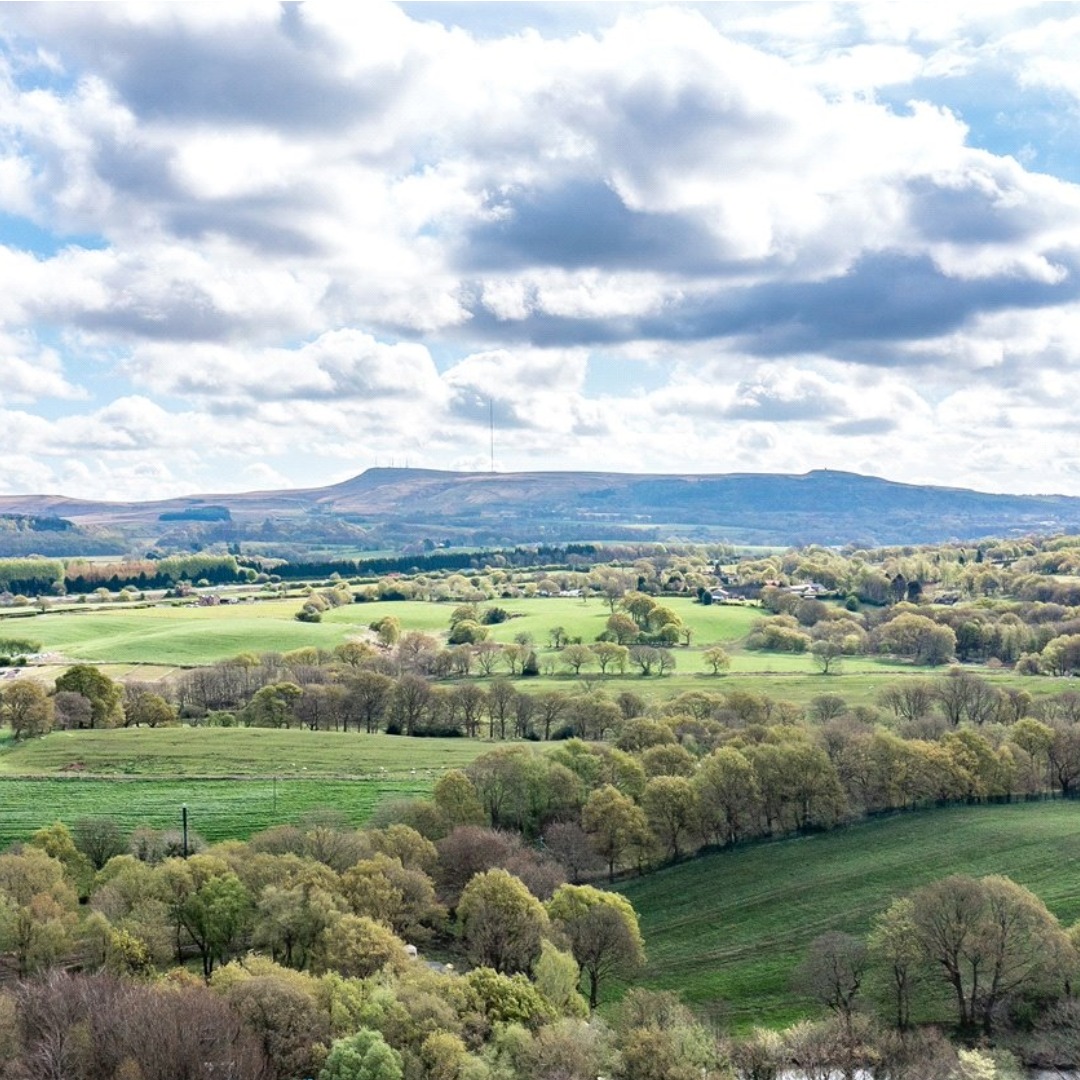
Northwest Lancashire farmers and landowners could soon feel the real cost and disruption of the drive towards net zero and renewable energy sources.
The Morgan and Morecambe Offshore Windfarms Public Inquiry has just finished. They represent two proposed offshore wind farms being developed in the Irish Sea and combined they will power the equivalent of around two million homes. If consented, the electricity generated will need to connect into the Penwortham National Grid substation, involving a huge construction project through the central Fylde area with cables and substations on an unprecedented scale.
Just as we start to get our heads around that project, another scheme has appeared, being Ørsted, a multi-national energy company wishing to construct the East Irish Sea Transmission project. This would involve the connecting of the new Mooir Vannin Offshore Wind Farm to the UK mainland. The wind farm will be capable of generating enough energy to power over 1.4 million UK homes by its estimated operational date of 2032-2033.
This Ørsted project is in the early stages, but again they need to connect the associated cables at Penwortham. The scheme is currently looking at two onshore route options, both of which would bring significant disruption. The Northern Route option makes landfall at Fleetwood and travels under the River Wyre coming up between Stalmine and Hambleton, through the parishes of Out Rawcliffe, Great Eccleston, Inskip, Catforth, Lea and then under the River Ribble to Penwortham. The Southern Route option makes landfall at Hightown and through the parishes of Great Altcar, Halsall, Scarisbrick, Tarleton, Banks, Hesketh Bank and Hutton.
Both routes will require a new large-scale substation to be built. To give an indication of the scale of the project, the temporary working width they require whilst laying the cables is 120metres wide. Imagine this work area through your farm – the level of disruption and impact is going to be significant!
Again, this is in the early stages. Ørsted are going to announce which route is the preferred option early next year. Following this announcement, there will be various access requests for surveys; some of these will include digging bore holes and trenches with an intended planning application towards the end of 2027 (some clients are already being approached for surveys to help decide the route.) Potential construction could start circa 2029.
These projects are Nationally Significant Infrastructure Projects (NSIP) designated under the Planning Act 2008, which means they could have compulsory powers of entry, if required. However, it is vital that if you are affected, you seek professional representation at a very early stage to ensure that your rights are protected, your compensation maximised and the potential impact minimised. The project has to cover your reasonable professional costs.
For further details contact one of the experienced Armitstead Barnett Land Agent team.








Thank You
Thank you for contacting us, a member of our team will be with you shortly.